
Key Marketing Metrics Every Small Business Should Track
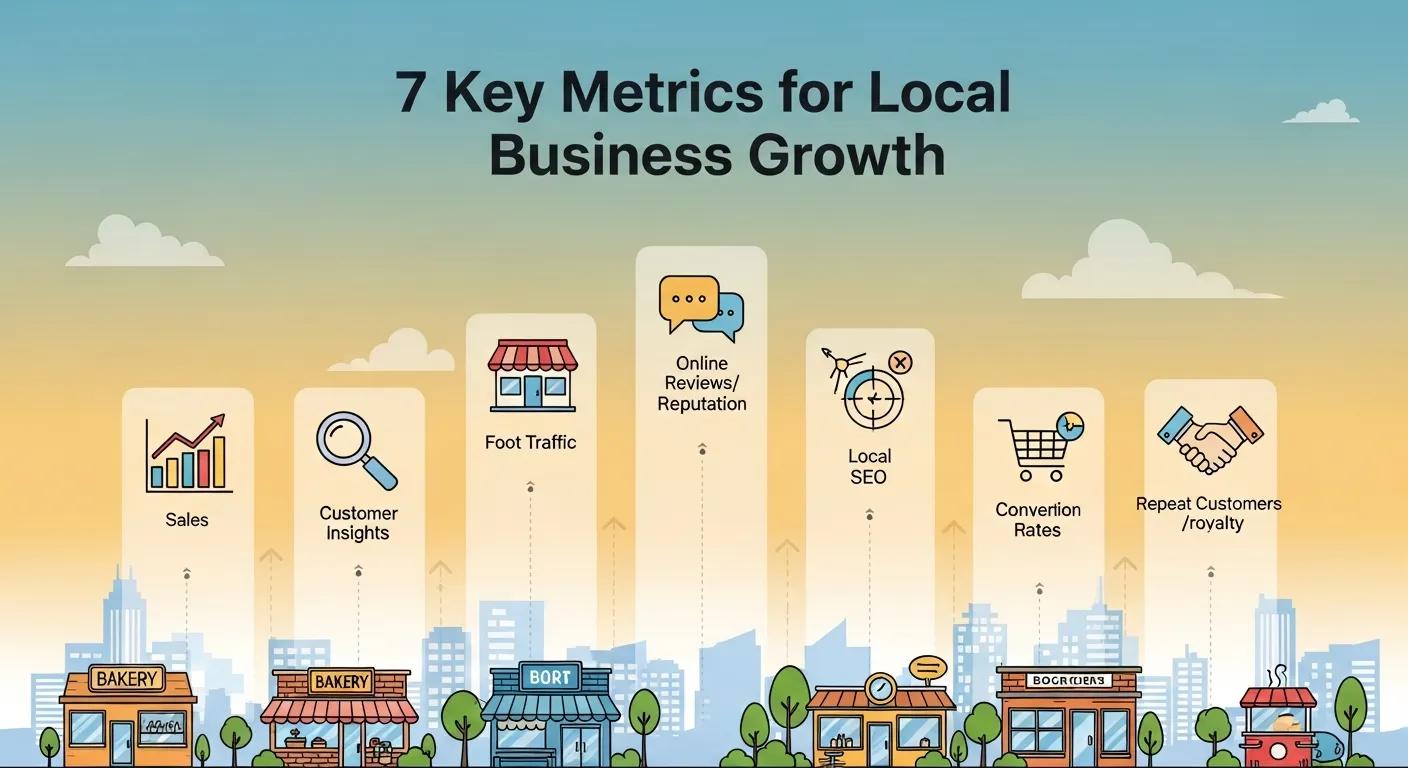
In the competitive landscape of local business, understanding and tracking key marketing metrics is essential for driving growth and ensuring a strong return on investment (ROI). This article delves into the seven critical marketing metrics that every local business owner should monitor to enhance their marketing strategies and optimize performance. By focusing on these metrics, business owners can identify areas for improvement, allocate resources effectively, and ultimately boost their bottom line. The metrics discussed will include lead generation success, customer acquisition costs, conversion rates, marketing ROI, customer retention, lifetime value, and social media performance indicators. Each section will provide insights into how these metrics can be calculated, optimized, and leveraged for sustained business success.
What Are the Essential Marketing Metrics for Local Businesses?
Marketing metrics are quantifiable measures that help businesses assess the effectiveness of marketing strategies. For local businesses, these metrics are crucial as they provide insights into customer behavior, campaign performance, and overall business health. By tracking these metrics, local business owners can make informed decisions that drive growth and improve ROI. The following sections will explore specific metrics that are particularly relevant for local businesses.
Further research emphasizes the critical role of diligently tracking local marketing campaigns to measure their effectiveness and optimize performance.
Tracking Local Marketing Campaigns for ROI
This paper explores the critical importance of tracking local marketing campaigns to measure their effectiveness and optimize performance, particularly in today’s dynamic and data-rich environment. It examines various metrics and Key Performance Indicators (KPIs) relevant to local marketing, such as reach, engagement, conversion rates, customer acquisition cost, and return on investment.
TRACKING LOCAL MARKETING CAMPAIGNS: MEASURING EFFECTIVENESS AND OPTIMIZING PERFORMANCE, 2025
Which Metrics Define Lead Generation Success?
Lead generation metrics are vital for understanding how effectively a business attracts potential customers. Key metrics to track include:
Qualified Leads: The number of leads that meet specific criteria indicating they are likely to convert into customers.
Lead Conversion Rate: The percentage of leads that ultimately make a purchase, reflecting the effectiveness of the sales process.
Cost Per Lead (CPL): The total cost of acquiring a lead, which helps assess the efficiency of marketing campaigns.
By analyzing these metrics, local businesses can refine their lead generation strategies, ensuring they attract high-quality leads that convert into sales.
How Does Customer Acquisition Cost Impact Local Business Growth?
Customer Acquisition Cost (CAC) is a critical metric that measures the total cost of acquiring a new customer, including marketing expenses and sales efforts. Understanding CAC is essential for local businesses as it directly impacts profitability. To calculate CAC, divide the total marketing and sales expenses by the number of new customers acquired during a specific period.
A high CAC can indicate inefficiencies in marketing strategies or sales processes, prompting businesses to reassess their approaches. By optimizing CAC, local businesses can improve their overall growth trajectory and ensure sustainable profitability.
How to Calculate and Optimize Conversion Rates for Local Businesses?
Conversion rates measure the percentage of visitors to a website or store who take a desired action, such as making a purchase or signing up for a newsletter. This metric is crucial for local businesses as it directly correlates with revenue generation. To calculate the conversion rate, divide the number of conversions by the total number of visitors and multiply by 100.
Optimizing conversion rates involves several strategies, including improving website design, enhancing product descriptions, and streamlining the checkout process. By focusing on these areas, local businesses can significantly increase their conversion rates and drive more sales.
What Are the Best Practices for Conversion Rate Optimization?
Effective conversion rate optimization (CRO) requires a strategic approach. Here are some best practices:
A/B Testing: Experiment with different versions of web pages to determine which elements drive higher conversions.
Clear Calls to Action: Ensure that calls to action are prominent and compelling, guiding visitors toward desired actions.
User Experience (UX) Improvements: Enhance the overall user experience by simplifying navigation and reducing load times.
Implementing these practices can lead to substantial improvements in conversion rates, ultimately boosting revenue.
Which Tools Help Track Conversion Rates Effectively?
Several tools can assist local businesses in tracking and optimizing conversion rates:
Google Analytics: Provides comprehensive insights into website traffic and user behavior, allowing businesses to analyze conversion paths.
Hotjar: Offers heatmaps and session recordings to visualize user interactions on websites, helping identify areas for improvement.
Optimizely: A robust A/B testing platform that enables businesses to experiment with different website elements to enhance conversions.
By leveraging these tools, local businesses can gain valuable insights into their conversion processes and make data-driven decisions to improve performance.
How Can Local Businesses Measure Marketing ROI Accurately?
Measuring marketing ROI is essential for understanding the effectiveness of marketing investments. Marketing ROI is calculated by subtracting the total marketing costs from the revenue generated by marketing efforts, then dividing by the total marketing costs. This formula provides a clear picture of the return on investment for marketing activities.
Accurate measurement of marketing ROI allows local businesses to assess which campaigns are delivering the best results and where to allocate resources for maximum impact.
What Is the Formula for Calculating Marketing ROI?
This formula helps businesses quantify the effectiveness of their marketing strategies and make informed decisions about future investments.
How Do Recent Trends Affect Marketing ROI for Small Businesses?
As of 2023, several trends are influencing marketing ROI for small businesses. Increased reliance on digital marketing channels, the rise of social media advertising, and the growing importance of data analytics are reshaping how businesses approach marketing.
This aligns with studies highlighting how digital marketing significantly impacts local businesses by enhancing customer engagement and sales performance.
Digital Marketing Impact on Local Business Growth
Purpose:This study investigates how digital marketing impacts local businesses, focusing on its role in enhancing customer engagement, sales performance, and brand building. It aims to address the challenges local businesses face in adopting digital marketing tools and strategies to achieve sustainable growth and competitive advantage in a digital-first environment.
The impact of digital marketing on local businesses, Y Yendra, 2024
Local businesses must adapt to these trends by investing in digital marketing strategies and utilizing analytics tools to track performance. By staying ahead of these trends, businesses can enhance their marketing ROI and drive sustainable growth.
Why Is Customer Retention and Lifetime Value Critical for Local Business Success?
Customer retention and lifetime value (CLV) are crucial metrics for local businesses, as they directly impact profitability. Customer retention refers to the ability of a business to keep its customers over time, while CLV measures the total revenue a business can expect from a customer throughout their relationship.
Focusing on these metrics allows local businesses to develop strategies that enhance customer loyalty and maximize revenue potential.
How to Measure Customer Retention Rates Effectively?
This metric helps businesses understand how well they are retaining customers and identify areas for improvement in customer service and engagement strategies.
What Is Customer Lifetime Value and How Does It Influence Marketing Strategy?
Customer Lifetime Value (CLV) is calculated by multiplying the average purchase value by the average purchase frequency and the average customer lifespan. Understanding CLV allows businesses to tailor their marketing strategies to focus on retaining high-value customers, ultimately leading to increased profitability.
By prioritizing customer retention and maximizing CLV, local businesses can create sustainable growth and enhance their overall marketing effectiveness.
Which Social Media Marketing Metrics Should Local Businesses Track?
Social media marketing metrics are essential for evaluating the effectiveness of online marketing efforts. Key metrics to track include engagement rates, reach, and conversion rates from social media campaigns.
By analyzing these metrics, local businesses can refine their social media strategies to better connect with their target audience and drive more traffic to their websites.
How Do Engagement and Reach Metrics Affect Local Marketing?
Engagement metrics, such as likes, shares, and comments, indicate how well content resonates with the audience. Reach metrics measure the total number of unique users who see a post. Both metrics are critical for understanding the effectiveness of social media campaigns and can inform future content strategies.
What Are the Best Social Media Platforms for Local Business Growth?
The best social media platforms for local business growth often include:
Facebook: Offers extensive targeting options and a large user base, making it ideal for local advertising.
Instagram: Highly visual platform that is effective for showcasing products and engaging with customers.
LinkedIn: Best for B2B marketing, allowing businesses to connect with other professionals and organizations.
By leveraging these platforms, local businesses can enhance their online presence and drive growth.
How to Monitor Local SEO Performance Indicators for Business Growth?
Monitoring local SEO performance indicators is crucial for improving visibility in search engine results. Key indicators include keyword rankings, organic traffic, and local search visibility.
Indeed, research underscores the importance of local optimization for retailers to boost organic traffic and conversion rates through search engines.
Local SEO for Retailers: Organic Traffic & Conversion
The Purpose of the presented research is to substantiate the importance of the local optimization of the retailer’s business for search engines to increase organic traffic; to represent insights and give practical recommendations for retailers regarding local optimization of their business in Google as part of an effective marketing strategy; to create the typical valid data micromarking (by the example of the Ukrainian retailer), which will contribute to an advantageous placement in the Local Pack in comparison with competitors, and increase organic traffic and conversion.
Business optimization in the digital age: Insights and recommendations, A Natorina, 2020
By tracking these metrics, local businesses can optimize their online presence and attract more customers through search engines.
Which SEO Metrics Directly Influence Local Search Rankings?
Several SEO metrics directly impact local search rankings, including:
Google My Business (GMB) Engagement: The number of views, clicks, and actions taken on a GMB listing.
Backlink Quality: The number and quality of backlinks pointing to a website, which influence authority and ranking.
Local Citations: Consistency of business information across online directories, which helps improve local search visibility.
How to Use Analytics Tools to Track Local SEO Success?
Analytics tools such as Google Analytics and SEMrush can provide valuable insights into local SEO performance. These tools help businesses track keyword rankings, monitor website traffic, and analyze user behavior, enabling data-driven decisions to enhance local SEO strategies.
By focusing on these metrics and utilizing the right tools, local businesses can effectively monitor their SEO performance and drive growth in their local markets.