
Rank in Multiple Cities: Service Area Pages That Work!
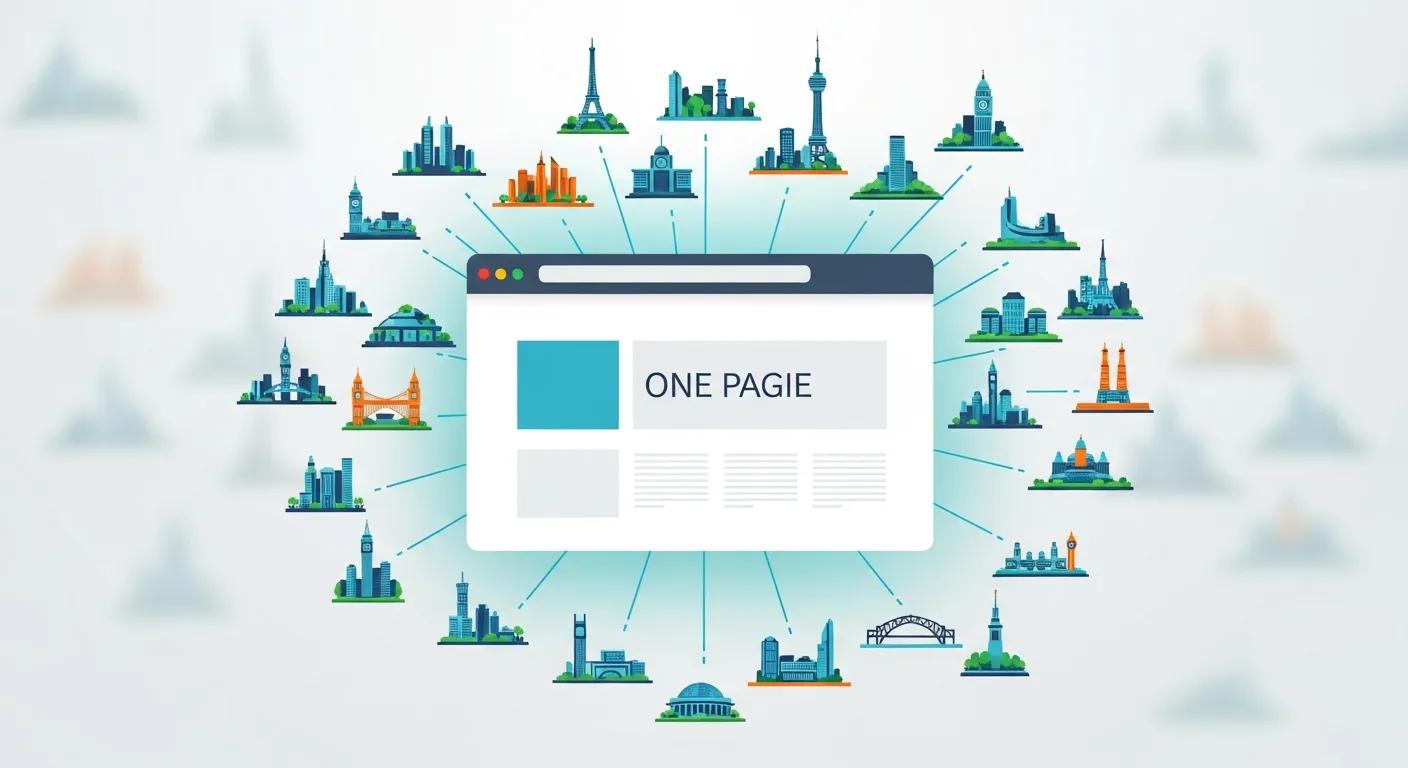
In the competitive landscape of local SEO, businesses without physical locations face unique challenges in reaching their target audience across multiple cities. Service area pages (SAPs) serve as a strategic solution, allowing these businesses to effectively target various geographic areas while enhancing their online visibility. This article will delve into the mechanics of service area pages, their role in local SEO, and best practices for optimizing them to rank in multiple cities. Readers will learn how to create effective service area pages, optimize Google My Business settings, and implement content strategies that drive SEO success. By addressing common pitfalls and leveraging advanced semantic SEO techniques, businesses can maximize their reach and improve their local search rankings.
What Are Service Area Pages and How Do They Support Multi-City SEO?
Service area pages are dedicated web pages that allow businesses to specify the geographic areas they serve, even if they do not have a physical presence in those locations. These pages are crucial for local SEO as they help search engines understand the areas a business targets, thereby improving its chances of ranking in local search results. By clearly defining service areas, businesses can attract more relevant traffic and connect with potential customers in multiple cities.
How Do Service Area Pages Work to Target Multiple Geographic Areas?
Service area pages work by utilizing localized content that resonates with the specific demographics and needs of each target area. For instance, a plumbing service might create separate pages for each city it serves, incorporating local keywords, testimonials, and case studies relevant to that area. This targeted approach not only enhances user experience but also signals to search engines that the business is relevant to those locations, improving its visibility in local search results.
The strategic importance of tailoring web content to specific geographic regions, even within the same language, is further emphasized by research on website localization.
Website Content Localization for Multi-Region Marketing
Today,websitelocalizationis of utmost importance due to the global trend prevailing in modern Internet communication. Depending on the nature of products and services being promoted via web platforms,localizationpatterns vary in their scale and verbal means. In any case, localized versions provide customers with access to authentic sources of information about world brands. The present paper deals with the concept oflocalizationwithin the scope of linguistics and verbal content management. We have made an attempt to prove the need of differentiating English-language content for each of the English-speaking countries included into the websites’ structure of localized options and to reveal the verbal means and techniques of textlocalization.
LOCALIZATION OF WEBSITE VERBAL CONTENT INTO ENGLISH AS A MARKETING STRATEGY, VI Dmitrievna, 2019
What Is the Role of LocalBusiness and ServiceArea Schema in SAPs?
Schema markup, particularly LocalBusiness and ServiceArea types, plays a vital role in optimizing service area pages. By implementing structured data, businesses can provide search engines with detailed information about their services and the areas they cover. This enhances the likelihood of appearing in rich snippets and local packs, which can significantly boost click-through rates. Proper schema implementation ensures that search engines accurately interpret the business's service areas, further supporting its local SEO efforts.
How to Create Effective Service Area Pages for Multi-City Ranking
Creating effective service area pages involves several best practices that enhance both user experience and SEO performance. These pages should be informative, engaging, and optimized for local search.
What Are the Best Practices for Service Area Optimization Content?
Localized Content: Tailor content to reflect the unique characteristics of each service area, including local landmarks, events, and community involvement.
Keyword Optimization: Use relevant local keywords throughout the page, including in headings, meta descriptions, and image alt texts.
Clear Call-to-Action: Encourage visitors to take action, whether it's contacting the business or requesting a quote, with prominent and clear calls-to-action.
How to Implement Structured Data Markup for Local SEO Success?
Choose the Right Schema Type: Select LocalBusiness or ServiceArea schema based on the business model.
Add Relevant Properties: Include essential properties such as name, address, phone number, and service area details.
Test the Markup: Use Google's Structured Data Testing Tool to ensure the markup is correctly implemented and free of errors.
How to Optimize Google My Business Service Areas for Businesses Without Multiple Locations
Google My Business (GMB) is a powerful tool for local SEO, especially for businesses without physical locations. Properly configuring service areas within GMB can enhance visibility in local search results.
How to Configure Google My Business Service Area Settings Correctly?
Define Service Areas: Specify the cities or regions served, ensuring they align with the content on service area pages.
Keep Information Updated: Regularly update service areas as the business expands or changes its focus.
Utilize Posts and Updates: Engage with customers by posting updates about services, promotions, or community involvement.
What Are Common Mistakes to Avoid in GMB Service Area Optimization?
Inaccurate Information: Ensure that all business information is accurate and consistent across platforms.
Neglecting Reviews: Actively manage and respond to customer reviews to build trust and improve local rankings.
Ignoring Insights: Regularly review GMB insights to understand customer interactions and adjust strategies accordingly.
What Content Strategies Drive SEO for Multiple Cities Without Physical Locations?
Content strategies are essential for driving SEO success for businesses targeting multiple cities. By focusing on geo-targeted content and effective internal linking, businesses can enhance their online presence.
How to Develop Geo-Targeted Content That Connects to Multiple Cities?
Researching Local Topics: Identify local issues, events, or interests that resonate with the target audience in each city.
Creating Relevant Blog Posts: Write blog posts that address these local topics, incorporating local keywords and phrases.
Utilizing Local Testimonials: Feature testimonials from customers in different cities to build credibility and relevance.
Which Internal Linking Techniques Enhance Multi-City Local SEO?
Linking to Related Content: Connect service area pages to relevant blog posts or service descriptions to enhance user navigation.
Using Descriptive Anchor Text: Employ descriptive anchor text that includes local keywords to improve contextual relevance.
Creating a Logical Structure: Ensure that the website's structure allows for easy access to service area pages from the homepage and other key areas.
How to Measure and Monitor the Performance of Service Area Pages
Measuring the performance of service area pages is crucial for understanding their effectiveness and making necessary adjustments.
What KPIs Indicate Success in Multi-City Local SEO Campaigns?
Organic Traffic: Track the number of visitors coming from organic search results to service area pages.
Conversion Rates: Measure the percentage of visitors who take desired actions, such as filling out a contact form or making a call.
Local Search Rankings: Monitor the rankings of service area pages for targeted local keywords.
Which Tools Are Best for Tracking SAP Rankings and Schema Validation?
Google Analytics: Provides insights into traffic sources, user behavior, and conversion tracking.
Google Search Console: Helps monitor search performance and identify indexing issues.
Schema Markup Validator: Ensures that structured data is correctly implemented and free of errors.
What Are Advanced Semantic SEO Enhancements for Service Area Pages?
Advanced semantic SEO techniques can further enhance the effectiveness of service area pages, making them more relevant and authoritative.
How to Use Semantic Triples to Strengthen Entity Relationships?
Semantic triples can be used to clarify relationships between entities, such as:
Service Area Pages → Target → Multiple Cities
Local SEO → Enhances → Visibility
Schema Markup → Improves → Search Engine Understanding
These relationships help search engines better understand the content and context of service area pages, improving their chances of ranking well.
How to Leverage FAQ and HowTo Schema for Featured Snippet Opportunities?
Answering Common Questions: Create FAQ sections that address common inquiries related to services offered in different areas.
Providing Step-by-Step Guides: Use HowTo schema to outline processes or services, making it easier for search engines to feature this content in rich snippets.
Optimizing for Voice Search: Structured data can improve the chances of appearing in voice search results, which are increasingly popular among users.